

The Impact of Weather on Construction Projects
Understanding how weather affects construction projects is crucial for successful planning and execution. The weather plays a significant role in determining the quality of your finished product. It affects the setting, curing time, and even the strength of concrete. By recognizing the challenges posed by different weather conditions, you can make better decisions and achieve optimal results.
Temperature Effects on Curing
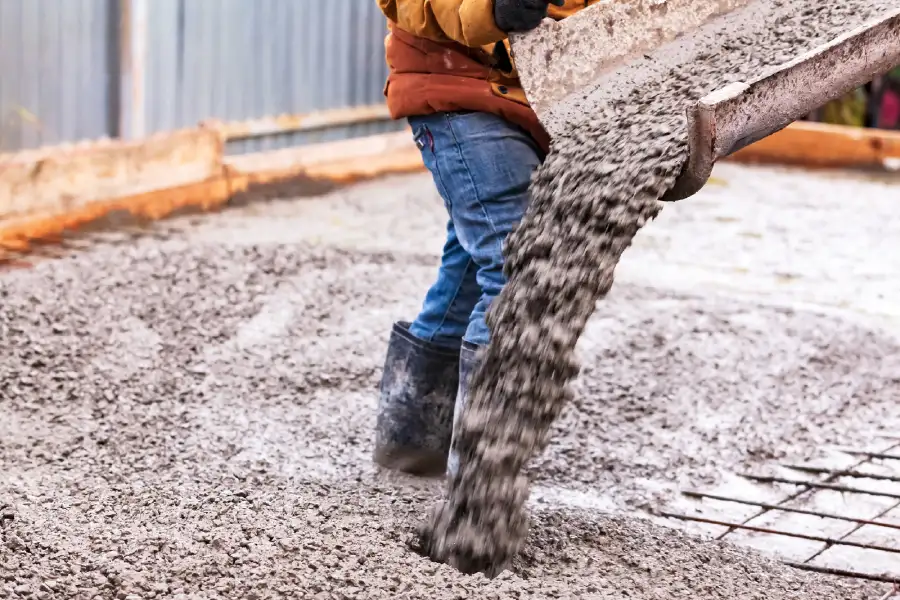
Temperature greatly impacts the concrete work process. High temperatures accelerate the curing process, often leading to weaker structures due to rapid moisture loss. On the other hand, low temperatures slow down the curing process, which may result in incomplete hydration. Proper temperature control ensures a balanced and effective curing period, which enhances durability.
Humidity’s Role in Setting
Humidity levels influence how quickly concrete sets. High humidity slows down evaporation, which helps maintain moisture levels in freshly poured concrete. This is beneficial for curing. Conversely, low humidity can cause too much water to evaporate quickly, leading to cracks and reduced durability. Monitoring humidity is vital for quality concrete work.
Precipitation Challenges in Construction
Rain poses significant challenges for construction sites. Excessive rain can wash away cement paste or disrupt the water-cement ratio, compromising concrete integrity. Covering newly poured areas during rainfall and properly managing drainage can mitigate these issues effectively. Careful planning during rainy seasons ensures consistent outcomes.
Wind Speed and Its Impact on Drying
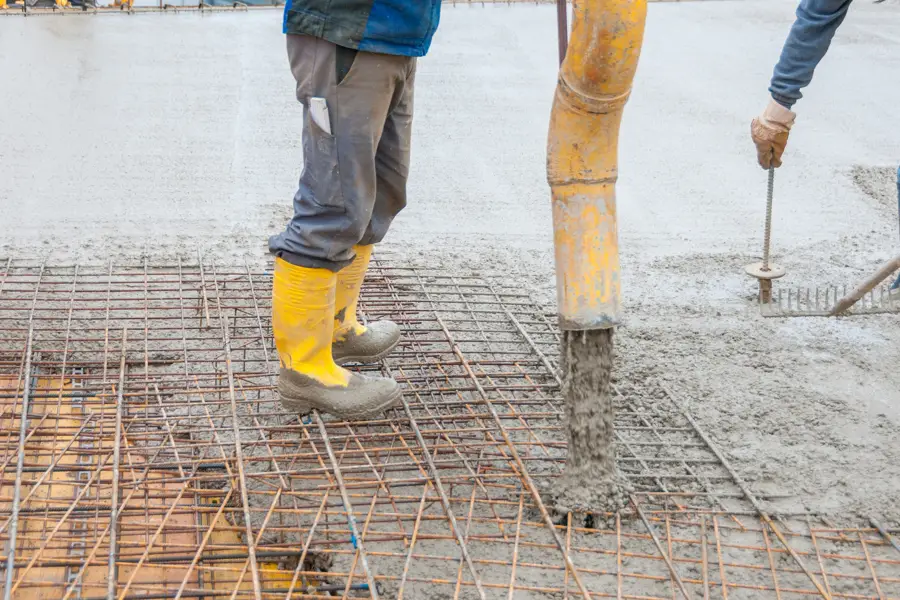
Wind speed plays a critical role in drying times. Strong winds increase evaporation rates, risking surface cracks before curing completes. Windbreaks or temporary enclosures help minimize this effect and ensure proper curing. Paying attention to wind conditions aids in maintaining the integrity of your project.
Managing Seasonal Variations
Seasonal changes bring unique challenges to concrete work. Each season presents specific problems like extreme temperatures or unexpected precipitation. Adapting techniques according to seasonal forecasts improves outcomes. Contractors need to consider protective measures tailored to each season for successful projects year-round.
Best Practices for Weather-Resistant Structures
- Plan projects around weather forecasts
- Use additives to adjust setting times
- Implement protective coverings as needed
- Regularly monitor site conditions
Choosing Materials for Various Climates
Selecting the right materials based on climate zones enhances project longevity. Some materials perform better under specific conditions, reducing wear and tear over time. Understanding local climate tendencies informs smarter material choices, ensuring durable structures adapted to their environments.
Avoiding Costly Delays Due to Weather
Weather-related delays can drive up costs significantly. Proactive scheduling and flexible timelines accommodate potential disruptions, keeping budgets on track. For instance, if severe weather threatens progress, having buffer periods prevents financial strain from rescheduling efforts.
Your Partner for All Seasons
Successfully navigating weather impacts requires expertise and adaptability. At Core Foundation Repair and More, we understand the importance of tailored solutions for every project phase. Contact us at (501) 273-2330 to learn more about our services in North Little Rock, AR. Trust our experience to handle all your construction needs with precision and care.